- Home
- Renaissance Desserts
Renaissance Dessert Recipes
By Don Bell / Recipe Archivist and Compiler
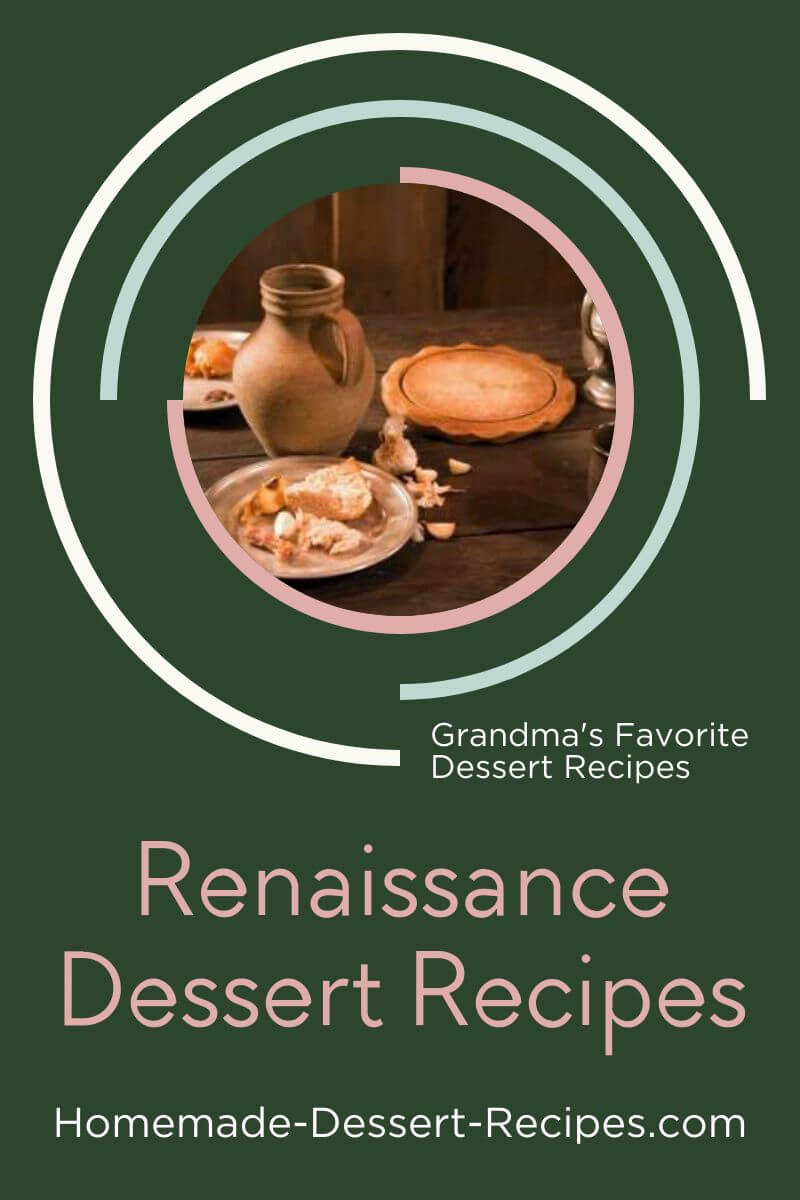
You can make your own Renaissance sweetmeats using these authentic Renaissance dessert recipes. It's surprisingly easy, inexpensive, and loads of fun. You'll soon be creating your very own sugar pastes, cakes, biscuits, pastries, leaches, candy, marmalades, and royal marchpanes — a cornucopia of delicious historical treats to enjoy.
Collection of Authentic Renaissance Dessert Recipes
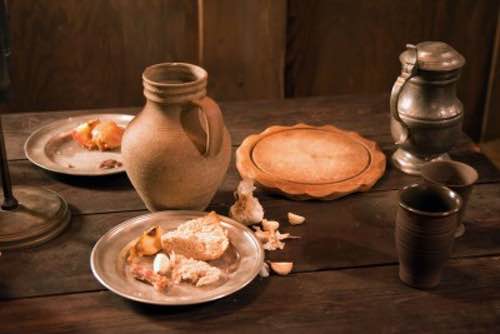 Enjoy Authentic Renaissance Desserts
(Source: jirkaejc/Depositphotos.com)
Enjoy reading and trying these historical Renaissance food recipes. They are presented here exactly as they were first published around the mid 1600s.
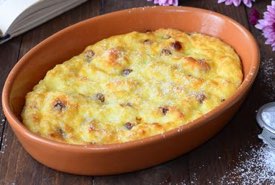
Indulge in the rich, comforting flavors of the past with these authentic Renaissance pudding recipes. From bread and rice to delicate custards, these dishes were true staples of the era.
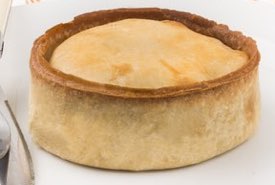
Discover the savory and sweet delights of historical baking by trying these Renaissance pie recipes. They are perfect for bringing an authentic touch to your next medieval banquet or themed gathering.
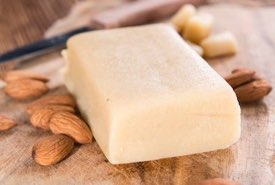
Learn the secrets of creating elegant, edible art with our Renaissance marchpane recipes. These historical royal "marzipan" treats were once a favorite indulgence of the nobility.
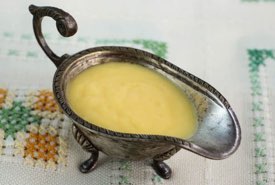
Experience the thick, creamy textures that defined early desserts with these Renaissance custard recipes. These simple, rich dishes are surprisingly easy to prepare in your modern kitchen.
Quench your thirst with refreshing beverages fit for a queen, including spiced wines and cordials found in our Renaissance drink recipes. These historical libations are the perfect accompaniment to any sweet treat.
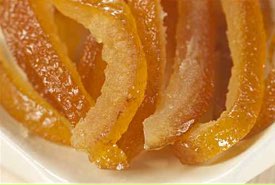
Explore the art of early confectionery by making your own Renaissance candy recipes. You will love crafting these traditional sugar-plate delights and candied fruits just as they were made centuries ago.

Discover the unique, jelly-like confections of the 17th century with these Renaissance leach recipes. These historical sweetmeats are a fascinating and delicious piece of culinary history.
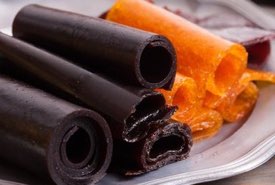
Enjoy the chewy, concentrated flavors of fruit preserved in style with our Renaissance fruit paste recipes. These early fruit leathers were a clever and tasty way to enjoy the harvest year-round.
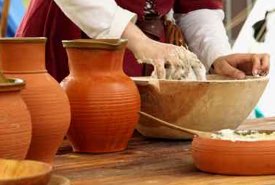
Bake up a batch of crispy, spiced delights using these Renaissance gingerbread recipes. These treats offer a wonderful glimpse into the aromatic spices and baking techniques of the Elizabethan era.
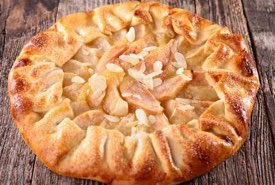
Master the art of historical pastry with our period collection of Renaissance tart recipes. These delicious 17th-century creations are sure to impress at any gathering or historical reenactment.
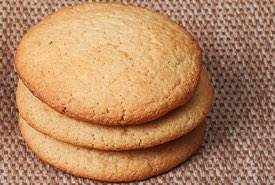
From traditional sugar cakes to delicate Shrewsbury cakes, our Renaissance cake recipes bring the flavors of the past to your table. These authentic treats are a wonderful way to celebrate culinary heritage.
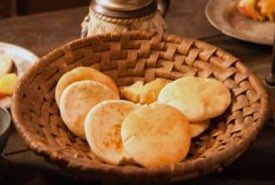
Treat yourself to the simple, satisfying flavors of 17th-century baking with these Renaissance biscuit recipes. These historical "cookies" are the perfect companion to a warm cup of tea.
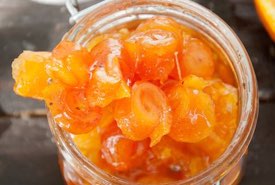
Learn how to create authentic marmalade-style confections with our Renaissance marmalet recipes. These fruit-based sweetmeats offer a delightful taste of traditional preservation methods.
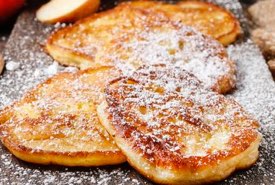
Discover the unique tradition of the tansy, a popular historical pancake, with our Renaissance tansie recipes. These fried delicacies are a perfect, authentic addition to your Easter or spring celebrations.
Miscellaneous Renaissance

Confused by archaic cooking terms? Consult our Renaissance dessert recipes Glossary to easily understand the early language and techniques used in these historical recipe manuscripts.
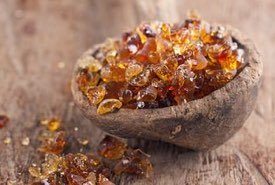
Find exactly what you need to recreate these historic treats by discovering where to purchase Renaissance baking supplies. We provide tips on sourcing authentic ingredients like rosewater and gum arabic.

Dive into the fascinating life of the woman who inspired many of these recipes with our short historical biography of Queen Henrietta Maria. It is a brief look at the royal figure behind these culinary treasures.
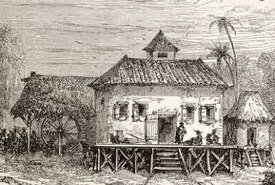
Understand the luxury and influence of sugar in early England by reading our brief history of sugar in England. You will be amazed at how this simple ingredient shaped the culinary landscape of the Renaissance.
Renaissance Desserts Fit for a Queen
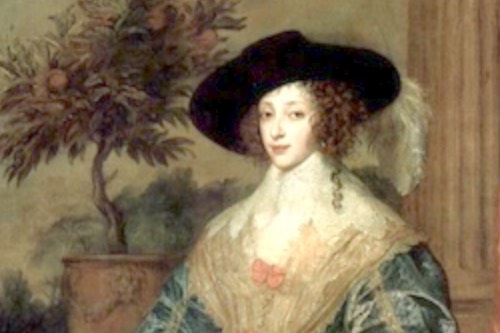 Queen Henrietta Maria de Bourbon
(PD Source: Van Dyck Painting)
This site is your invitation to re-creating the authentic 17th century desserts and beverages of Merry Old England. These historical treats are perfect for serving at Renaissance fairs, banquets, and Elizabethan, medieval, or Shakespearean theme parties.
The original sweetmeat recipes were first published over three centuries ago in 17-century confectionery books, but most are much older.
The Renaissance Era was the transition period between the Medieval Era and the modern world; it was the time of Elizabeth I, William Shakespeare, and John Milton.
So, if you're searching for Medieval food recipes or Elizabethan cooking recipes, you will find several in the collection above. The authors claim to have once been employed as royal chefs in the household of King Charles I and Queen Henrietta Maria of England.
Some Renaissance dessert recipes are believed to be from the queen's personal recipe collection. Imagine a treasure-trove of treats truly fit for a queen!
Enjoy the Renaissance Experience
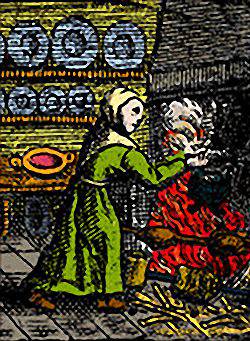 Renaissance Kitchen
If you're a dedicated history buff and would like to attend Renaissance fairs, and fun historical re-enactments, the Society for Creative Anachronism (SCA) is an international organization dedicated to researching and accurately re-creating pre-17th century European history.
Also look for Medieval and Renaissance festivals held in your local area. You might be in for a surprise. For instance, Blades of Glory is an educational and entertainment company that operates a small theme park near the Village of Hastings, Ontario.
The historical costumes, authentic foods, workshops, mock battles, and demonstrations of knightly combat with the participants dressed in full armor can offer a great day of fun for people of all ages.
Enjoy a Taste of History
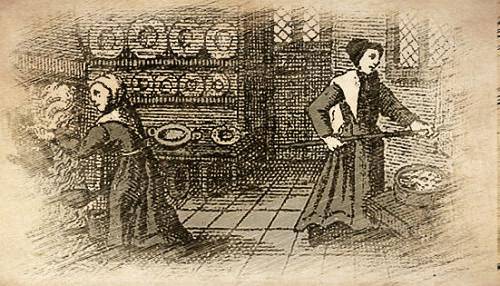 Baking in a Renaissance Kitchen
Considering the age of these Renaissance dessert recipes, it will surprise you to discover how straightforward the instructions are and that the recipes often call for surprisingly large amounts of sugar.
Read my brief article on Sugar History and you'll be amazed at the amount of sugar that was commonly used from the beginning of the Medieval Era and throughout the Renaissance Era.
These recipes extend to us a fascinating peek into the type of desserts and confections people were eating over three centuries ago, and the recipes and ingredients they used to prepare them.
Renaissance cooks wove ingenuity into their recipes, as they could only use the ingredients and equipment they had available. It is quite an experience to taste the actual treats our ancestors once enjoyed!
"The daintiest last, to make the end most sweet." —William Shakespeare (1564-1616), King Richard II, Act i, Sc. 3
Sign Up now for GRANDMA'S DESSERT CLUB and download your FREE PDF COPY of Grandma McIlmoyle's Little Dessert Book. Also receive my regular Bulletin featuring classic recipes and nostalgia.

Don Bell, Founder & Archivist, Old Fashioned Dessert Recipes. Don has spent over two decades preserving heritage dessert recipes from handwritten family notebooks, recipe scrapbooks, and vintage cookbooks. His collection spans hundreds of authentic, old fashioned recipes presented exactly as originally written.

Like This Page? Please Share It
If you enjoyed reading this page and its old fashioned recipes, please consider sharing it. I choose to spend my time adding more recipes instead of posting on social media, so I rely on readers like you to help spread the word. Use the sharing buttons below!

Hi! I'm Don Bell, and I love sharing Grandma's heritage dessert recipes, and the nostalgia they bring to mind. Have fun making all your favorite desserts from childhood.

SCAN and have access to Grandma's Recipes on your CELLPHONE
Readers are saying…
I just briefly want to say thanks for publishing such a warm, cozy site that just feels like, well, home. —Dusty, U.S.A.
This website is extraordinary to people my age who remember their pasts fondly and miss all those who have gone before.
Your Grandma's homemade dessert recipes add greatly to those memories, and I wanted to tell you that your efforts here are very special indeed. —Maureen, Canada
You have a great site! So homey with precious recipes. —Miriam, USA
Homemade-Dessert-Recipes.com does not sell any personal information. This site uses cookies for its operation and to enhance your experience. Privacy Policy

Copyright © 2004–2026 by Don Bell
All Rights Reserved Worldwide.