- Home
- Student Culinary Projects
Culinary Arts Project Ideas
By Don Bell / Recipe Archivist and Compiler
Students and teachers are finding that the old fashioned dessert recipes and articles on this website are a handy resource for culinary arts project ideas and for writing classroom essays on historical recipes and cooking methods.
Resource for Culinary Arts Project Ideas
 Students Working on Their Culinary Arts Projects
(Source: ©GeorgeRudy/Depositphotos.com)
The Navigation Menu
The Navigation Menu lists a wide variety of old fashioned dessert recipes, often with historical and nostalgic background notes that you'll find helpful when researching culinary projects.
Dessert Finder
If you are having difficulty finding a specific heritage treat or a particular ingredient, the Dessert Finder is the quickest way to locate exactly what you need. It's a great starting point for any student looking for a specific recipe to feature in their project.
Whether you're researching the history of family recipes, the origin of a popular dessert, or noteworthy celebrity chefs of the past, it's all here.
Authentic Renaissance Desserts
For a truly unique project, you can explore the authentic Renaissance dessert recipes that were once prepared for the royal courts of the seventeenth century. These historic treats from the collection of England's Queen Henrietta Maria (1609–1669) provide a rare look at the early roots of our favorite modern sweets.
Glossary of Renaissance Cooking
Understanding Renaissance Era recipe instructions is much easier when you use this Glossary of Renaissance Cooking Terms to define historical methods. It's a handy resource for anyone writing a classroom essay on the evolution of baking techniques.
History of Sugar in England
The story of sweets is incomplete without knowing the history of sugar in England and its surprising prevalence in Medieval times. This article reveals how this "white gold" shaped the development of the desserts that we know and love today.
Old Fashioned Baking Tips
Add some historical "flavor" to your culinary reports by including these nineteenth-century baking tips and kitchen hints. These practical bits of wisdom show exactly how our ancestors managed their busy kitchens without the help of modern gadgets.
Grandma McIlmoyle's Little Dessert Book
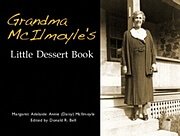
Instantly download a PDF recipe book that features my Grandma McIlmoyle's favorite old fashioned recipes for FREE simply by subscribing to my newsletter. Have fun making tasty desserts that were popular with families in the 1800s.
How to Cite a Webpage
 Student Researching Vintage Recipes
(Source: ©123rf.com/yuri-arcurs)
Several students have asked how to properly cite the online recipe pages and articles in a bibliography. So, to make it easier for aspiring authors, here's how to cite a website article using the popular MLA style guide:
Author's Last Name, First Name. "Page Title." Website Title. Publisher, Publication Date. Medium. Date Accessed.
- The "Author's Name" is the creator or author of the webpage [Bell, Don], written last name first.
- The "Page Title" is usually found at the top of the webpage, and it should be placed within quotation marks, with a period placed before the last quotation mark.
- The "Website Title" is the domain name [Homemade-Dessert-Recipes.com], which is italicized, followed by a period.
- The "Publisher" [Don Bell] is found listed in the copyright notice in the page's footer.
- The "Publication Date" is often not available, so substitute "n.d." instead.
- The "Medium" is the Web.
- The "Date Accessed" is the date which YOU accessed the website, and it's written using the international format of "day month year" using a three-letter abbreviation for the month, followed by a closing period after the year.
For example, here's how you would cite the article on this page using today's date:
I hope you find the information on this website helpful, and I wish you every success with your culinary arts project.
You May Also Like These
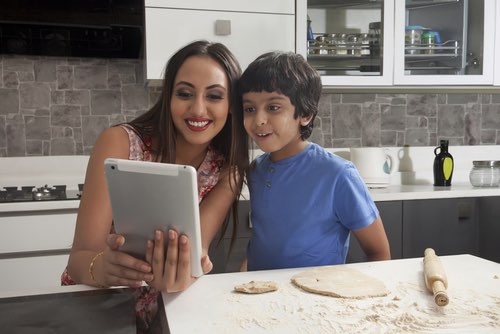 Baking Grandma's Homemade Cookies for Show and Tell
(Source: ©iphemant/Depositphotos.com)
Throughout the pages of this site, you'll discover a wide variety of old fashioned dessert recipes and articles that can suggest culinary project ideas for students. Also see the following resources.
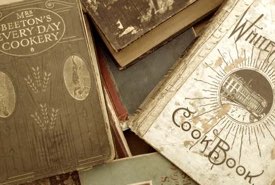
It is always a joy to hunt for rare treasures, and you can learn exactly where to find out of print cookbooks that contain the forgotten baking secrets of the past. These rare volumes are a wonderful resource for adding authentic historical flair to any culinary research project.
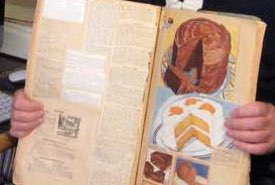
I love sharing my personal collection of vintage cookbooks and recipe scrapbooks, which serve as the foundation for many of the heritage recipes found on this site. They offer a fascinating glimpse into the kitchens of yesteryear for students and teachers alike.
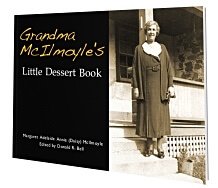
Sign Up now for GRANDMA'S DESSERT CLUB and download your FREE PDF COPY of Grandma McIlmoyle's Little Dessert Book. Also receive my regular Bulletin featuring classic recipes and nostalgia.

Don Bell, Founder & Archivist, Old Fashioned Dessert Recipes. Don has spent over two decades preserving heritage dessert recipes from handwritten family notebooks, recipe scrapbooks, and vintage cookbooks. His collection spans hundreds of authentic, old fashioned recipes presented exactly as originally written.

Like This Page? Please Share It
If you enjoyed reading this page and its old fashioned recipes, please consider sharing it. I choose to spend my time adding more recipes instead of posting on social media, so I rely on readers like you to help spread the word. Use the sharing buttons below!

Hi! I'm Don Bell, and I love sharing Grandma's heritage dessert recipes, and the nostalgia they bring to mind. Have fun making all your favorite desserts from childhood.

SCAN and have access to Grandma's Recipes on your CELLPHONE
Readers are saying…
I just briefly want to say thanks for publishing such a warm, cozy site that just feels like, well, home. —Dusty, U.S.A.
This website is extraordinary to people my age who remember their pasts fondly and miss all those who have gone before.
Your Grandma's homemade dessert recipes add greatly to those memories, and I wanted to tell you that your efforts here are very special indeed. —Maureen, Canada
You have a great site! So homey with precious recipes. —Miriam, USA
Homemade-Dessert-Recipes.com does not sell any personal information. This site uses cookies for its operation and to enhance your experience. Privacy Policy

Copyright © 2004–2026 by Don Bell
All Rights Reserved Worldwide.