- Home
- Cakes, Pies & Cheesecakes
Grandma's Old-Fashioned Cakes, Pies, and Cheesecakes
By Don Bell / Recipe Archivist and Compiler
When baking old-fashioned cakes, pies, and cheesecakes, there's something nostalgic and comforting about the aroma of butter, sugar, and spices wafting through a warm kitchen. Here, you'll find authentic, time-tested recipes for making desserts that taste just like Grandma's.
Whether you want to create a towering layer cake, bake a fruit-filled pie with a flaky crust, or make a rich-tasting cheesecake from scratch, these traditional recipes will give you all the ingredients and instructions you'll need.
In a Hurry? Choose Your Favorites
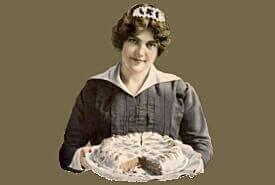
Bake a moist and tender masterpiece using Grandma's authentic old fashioned cake recipes and rich, homemade frostings. These time-tested favorites bring the comforting aroma of butter and spices right into your own warm kitchen.
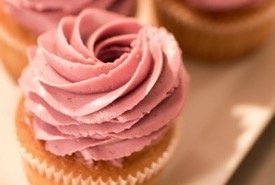
Mom's old fashioned cupcake recipes are simple to make from scratch and offer a nostalgic treat that's perfect for birthdays or a quick afternoon snack. Discover everything from classic vanilla to her chocolate surprise cupcakes with their hidden fillings.
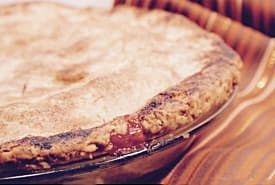
Nothing beats the soul-warming taste of a fruit-filled pie made with a flaky, golden crust. These old fashioned pie and tart recipes guide you through the traditional methods needed to create a dessert that looks and tastes just like Grandma's.
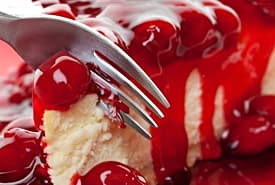
Experience the timeless appeal of a rich, velvety dessert with these old fashioned cheesecake recipes that rely on simple, all-natural ingredients. From tangy ricotta to classic cream cheese, these recipes deliver a deep, nostalgic flavor in every creamy bite.
The Timeless Appeal of Old-Fashioned Baking
In our fast-paced, modern world of boxed cake mixes and drive-thru bakeries, taking the time to bake from scratch is a beautiful act of preservation. I still remember sitting on a wobbly wooden step stool in Grannie's kitchen, watching her skillfully cut butter into the flour with a fork when making her scones. She didn't have today's digital scales or stand mixers; she baked by feel, by smell, and by memory.
That first-hand experience taught me from an early age that old-fashioned baking isn't only about following a list of ingredients and directions. It's about the tactile connection to our food and the joy of sharing something made entirely by hand.
The demand for these nostalgic, comforting desserts isn't just sentimental; it's backed by impressive industry data. According to the American Bakers Association, 45 percent of Americans consume snack cakes and pies at least once a week, and 93 percent of consumers show a strong interest in limited-time sweet offerings such as seasonal flavors (e.g., pumpkin spice), or holiday-themed desserts.1
Additionally, Fortune Business Insights cites USDA statistics revealing a United States-wide average annual personal intake of 18.5 kilograms for cakes and pastries.2 Clearly, our shared love for classic baked goods remains as strong as ever.
What Makes a Recipe "Old-Fashioned"?
An old-fashioned recipe is a traditional way of cooking that relies on basic, unprocessed ingredients like real butter, whole milk, eggs, and sugar. These recipes typically avoid artificial preservatives and commercial shortcuts, utilizing classic, time-honored preparation methods passed down through generations of home cooks to create authentic, from-scratch dishes with deep, nostalgic flavors.
When we talk about vintage or heritage baking, we're referring to an era before the invention of commercial stabilizers, artificial flavorings, and high-fructose corn syrup. The Food Timeline notes that the history of cake dates from ancient times, where the first cakes were more bread-like and sweetened with organic honey.3 Over the centuries, these evolved into the decadent treats we recognize today.
Baking in the past required patience. Ingredients had to be brought to room temperature naturally. Egg whites were whipped by hand to create leavening ability before baking powder and baking soda became widely commercially available in the mid-19th century. This reliance on technique over technology is what gives old-fashioned cakes and pies their distinct, unforgettable textures.
Old-Fashioned Cake Recipes and Frostings
There's nothing quite like slicing into a perfectly baked, moist, and tender cake covered in swirls of rich, homemade frosting. Traditional, old-fashioned cake recipes are the crown jewels of any vintage recipe collection. From the dense, buttery crumb of a traditional pound cake to the airy, delicate texture of a sponge cake, these desserts have been the centerpieces of birthdays, weddings, and Sunday dinners for generations.
According to PBS Food, the history of dessert cakes is filled with a fascinating evolution. For instance, until the late 1940s, the famous Boston Cream Pie (which is actually a cake, not a pie) was usually served bare or simply dusted with confectioners' sugar before evolving into the chocolate-glazed masterpiece we know today.4
When you dive into Grandma's collection of vintage cake recipes, you'll find instructions for creating the perfect crumb, mastering the creaming method for butter and sugar, and whipping up icings and frostings that are silky, sweet, and never gritty. We cover everything from classic vanilla and deep chocolate layer cakes to spiced carrot cakes and amazing fruit-studded desserts.
Explore Grandma's complete collection of old fashioned cakes and frosting recipes and choose your favorites.
Old-Fashioned Cupcake Recipes
Cupcakes are really special. For me, it's like having a tiny cake all to yourself. Mom's old fashioned cupcake recipes are wonderfully easy to make from scratch, and nothing beats the comforting aroma of homemade cupcakes warm from the oven and cooling on a wire rack. The collection includes fruit-flavored cupcakes with orange and lemon, classic vanilla cupcakes, and rich old fashioned chocolate cupcakes, including Mom's chocolate SURPRISE cupcakes with their hidden filling.
I especially loved Mom's orange flavored cupcakes with their current jelly meringue topping. And I always save the frosting for eating last! You'll also find helpful instructions on how to decorate cupcakes using creative toppings and frosting ideas, and tips for making perfect cupcakes every time, including the stunning flower cupcakes that can be displayed as an edible bouquet.
I can recall seeing Mom's cupcakes topped with thick chocolate icing at birthdays, and with colorful frosting and silver sprinkles at family wedding showers. However, you needed to get first in line because they were known to be delicious and quick to disappear!
Step back in time with Grandma's simple, easy-to-make old fashioned cupcake recipes complete with creative decorating ideas.
Old-Fashioned Pie and Tarts Recipes
If cakes are the crown jewels of the dessert table, pies are the comforting soul of the farmhouse kitchen. The history of pie is incredibly rich. According to What's Cooking America, historians trace the roots of pie all the way back to the ancient Egyptians during the Neolithic Period.5 Later, King Arthur Baking notes that in America, pie has been used as a device to explore history, from the early colonies to modern times.6
The secret to an incredible old-fashioned pie lies almost entirely in the crust. A true vintage pie crust is a marvel of culinary science, relying on the careful balance of cold fat (usually butter, lard, or shortening), flour, and ice water. When the cold fat hits the hot oven, the water evaporates into steam, creating those irresistible, flaky layers that break into pieces perfectly at the touch of a fork.
Grandma's favorite pie and tart recipes will walk you through the process of blind baking, preventing the dreaded soggy bottom, and creating fruit fillings that are perfectly thickened and spiced. Whether you're craving a double-crust apple pie that smells of cinnamon and autumn, a bright and tangy lemon meringue pie, or a rich, dark pecan pie, these authentic recipes will transport you back in time.
Discover the secrets to baking perfect pies and crusts with Grandma's old fashioned pie and tarts recipes.
Old Fashioned Cheesecake Recipes
Cheesecake is a dessert category all its own — straddling the line between a cake, a pie, and an egg custard. While many people associate cheesecake with the towering, dense New York-style slices found in modern restaurants, the roots of cheesecake are ancient, and the old-fashioned variations offer a wonderful diversity of textures and flavors.
Vintage cheesecake recipes often call for ingredients like cottage cheese, ricotta, or farmer's cheese, instead of relying solely on the modern blocks of cream cheese. This gives them a lighter, slightly more tangy profile that pairs beautifully with homemade fruit compotes or simple Graham cracker crusts.
Baking a classic cheesecake requires a gentle touch. It's an exercise in careful temperature control, sometimes utilizing a hot water bath (bain-marie) to ensure the custard bakes gently and evenly without cracking. In our dedicated cheesecake section, we discuss how to prevent cracks, the importance of cooling the cheesecake slowly in the oven, and the best ways to achieve that perfectly smooth, velvety texture that melts in your mouth.
Indulge in rich, creamy perfection with Grandma's old fashioned cheesecake recipes. Make delicious cheesecake you'll be proud to serve to your family and friends.
How to Bake Old-Fashioned Cakes, Pies, and Cheesecakes
To bake old-fashioned cakes and pies successfully, always start with room-temperature dairy and eggs to ensure smooth batter emulsion. Measure flour precisely using the spoon-and-level method. For pie crusts, keep fats ice-cold to create flaky layers. Finally, avoid overmixing your batter or dough to prevent tough, dense desserts.
Getting the hang of Grandma's dessert recipes means you've got to think like a vintage baker. Here are a few basics to keep in mind:
The Instinctive Baker
While Grandma might have baked by look and feel, she basically had a PhD in her own kitchen. She knew exactly what a properly creamed mixture of butter and sugar looked like (pale, fluffy, and doubled in volume). She understood that over-mixing flour activates gluten, leading to tough cakes and shrinking pie crusts. Take the time to learn the visual and tactile cues of baking.
The Importance of Temperature
Temperature is an active ingredient in vintage baking. When a cake recipe calls for room-temperature butter, it means the butter should yield slightly to a gentle press but still hold its shape. If the butter is too warm or melted, it will not hold the air bubbles necessary to make the cake rise.
Conversely, pie dough demands absolute cold. The friction of your hands can melt the fat, so use a pastry blender or two forks, and chill the dough before rolling it out.
Quality Ingredients Matter
Because old-fashioned recipes rely on a short list of ingredients, the quality of those ingredients shines through. Use ingredients as similar to Grandma's as possible. Use pure vanilla extract instead of imitation flavoring. Opt for high-quality, unsalted butter so you can control the sodium level in your recipe. When making fruit pies, choose fresh, in-season produce for the best natural sweetness and texture.
The Essential Vintage Baker's Pantry
To be ready to bake a classic cake, pie, or cheesecake at a moment's notice, Grandma needed a well-stocked pantry. Here is what you should always have on hand:
- Flours: All-purpose flour is the workhorse, but having cake flour (which has a lower protein content) is essential for achieving the ultra-tender crumb of a classic sponge or light-as-a feather angel food cake.
- Sugars: Granulated white sugar, light and dark brown sugars (for depth and moisture), and confectioners' sugar for frostings.
- Fats: Unsalted butter is most important. Many vintage pie makers also swear by leaf lard (the "leaf-shaped" fat that surrounds a pig's kidneys) or vegetable shortening for the flakiest crusts.
- Leaveners: Baking soda and baking powder. Check their expiration dates regularly; expired leaveners are the number one cause of flat, dense cakes.
- Spices and Flavorings: Pure vanilla extract, freshly ground cinnamon, nutmeg, cloves, and ginger.
- Dairy: Whole milk, heavy cream, and large eggs. Skim milk or even 2% simply doesn't provide the fat necessary for rich, tender baked goods.
Why We Still Crave Vintage Desserts Today
In an era of hyper-convenience, why do we still spend hours in the kitchen measuring, mixing, and watching the oven? The answer lies in our emotional response to food.
According to market research by Statista, the U.S. bread market generates massive revenues, with preserved pastry goods and cakes adding a surprising $27.29 billion to the economy!7 But beyond the financial statistics, there's a human element. Baking a recipe that's been handed down through generations is a way of communicating love and stability. It's a tangible link to our past.
When you serve a slice of three-layer chocolate cake or a warm piece of cherry pie with a lattice crust, you're serving nostalgia. You're offering comfort and creating a moment of pause in the midst of a busy world by inviting your family and friends to sit down, savor the taste, and connect. Nothing beats that!
Frequently Asked Questions (FAQ)
What Is the Oldest Known Cake?
What Is the Oldest Known Cake?
The oldest known cakes date back to ancient Egypt and were essentially flat, heavy breads sweetened with honey and often studded with nuts and dried fruits. The modern concept of a cake with icing and a light, airy crumb began to develop in Europe during the mid-17th century.
What Is the Secret to a Flaky Pie Crust?
What Is the Secret to a Flaky Pie Crust?
The secret to a flaky pie crust is keeping your fat (butter or shortening) ice-cold. When the cold pieces of fat melt in the hot oven, they create pockets of steam that push the layers of dough apart, resulting in a beautifully flaky texture. Handling the dough as little as possible also prevents tough gluten from forming.
Why Did My Cheesecake Crack in the Oven?
Why Did My Cheesecake Crack in the Oven?
Cheesecakes typically crack because of rapid temperature changes or overbaking. To prevent cracks, bake your cheesecake in a hot water bath to provide gentle, even heat. Once baking is complete, turn the oven off, crack the oven door open a little, and let the cheesecake cool slowly inside for an hour before moving it to the counter.
How Long Do Old-Fashioned Cakes Last?
How Long Do Old-Fashioned Cakes Last?
Most old-fashioned, frosted cakes will last for 3 to 4 days when stored in an airtight container at room temperature. Homemade cakes with perishable fillings or frostings, such as cream cheese frosting or custard, filling must be stored in the refrigerator and will last up to 5 days.
Can I Freeze Vintage Pies?
Can I Freeze Vintage Pies?
Yes, most fruit pies freeze exceptionally well. However, it's often best to freeze fruit pies unbaked. Assemble the pie, wrap it tightly in multiple layers of plastic wrap and aluminum foil to prevent moisture, and freeze for up to 3 months. You can bake it directly from frozen, simply adding 20 to 45 minutes to the total baking time.
Endnotes
1 American Bakers Association. Consumer Trends: Bakery Playbook: Snack Cakes and Pies. (americanbakers.org)
2 Fortune Business Insights. Cakes, Pastries, and Sweet Pies Market Size, Share & Industry Analysis, 2024–2034. (fortunebusinessinsights.com)
3 Olver, Lynne. The Food Timeline: Cake History Notes. (foodtimeline.org)
4 Avey, Tori. American Cakes Throughout History. PBS Food. (pbs.org)
5 Stradley, Linda. History of Pies. What's Cooking America. (whatscookingamerica.net)
6 Anastopoulo, Rossi. The Surprising History of Pies. King Arthur Baking Company. (kingarthurbaking.com)
7 Statista. Bread and Bakery Products in the United States — Statistics & Facts. (statista.com)
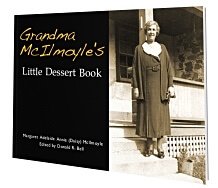
Sign Up now for GRANDMA'S DESSERT CLUB and download your FREE PDF COPY of Grandma McIlmoyle's Little Dessert Book. Also receive my regular Bulletin featuring classic recipes and nostalgia.

Don Bell, Founder & Archivist, Old Fashioned Dessert Recipes. Don has spent over two decades preserving heritage dessert recipes from handwritten family notebooks, recipe scrapbooks, and vintage cookbooks. His collection spans hundreds of authentic, old fashioned recipes presented exactly as originally written.

Like This Page? Please Share It
If you enjoyed reading this page and its old fashioned recipes, please consider sharing it. I choose to spend my time adding more recipes instead of posting on social media, so I rely on readers like you to help spread the word. Use the sharing buttons below!

Hi! I'm Don Bell, and I love sharing Grandma's heritage dessert recipes, and the nostalgia they bring to mind. Have fun making all your favorite desserts from childhood.

SCAN and have access to Grandma's Recipes on your CELLPHONE
Readers are saying…
I just briefly want to say thanks for publishing such a warm, cozy site that just feels like, well, home. —Dusty, U.S.A.
This website is extraordinary to people my age who remember their pasts fondly and miss all those who have gone before.
Your Grandma's homemade dessert recipes add greatly to those memories, and I wanted to tell you that your efforts here are very special indeed. —Maureen, Canada
You have a great site! So homey with precious recipes. —Miriam, USA
Homemade-Dessert-Recipes.com does not sell any personal information. This site uses cookies for its operation and to enhance your experience. Privacy Policy

Copyright © 2004–2026 by Don Bell
All Rights Reserved Worldwide.